Back to catalogue
Safety / Fixed Gas Detection
Dräger X-node
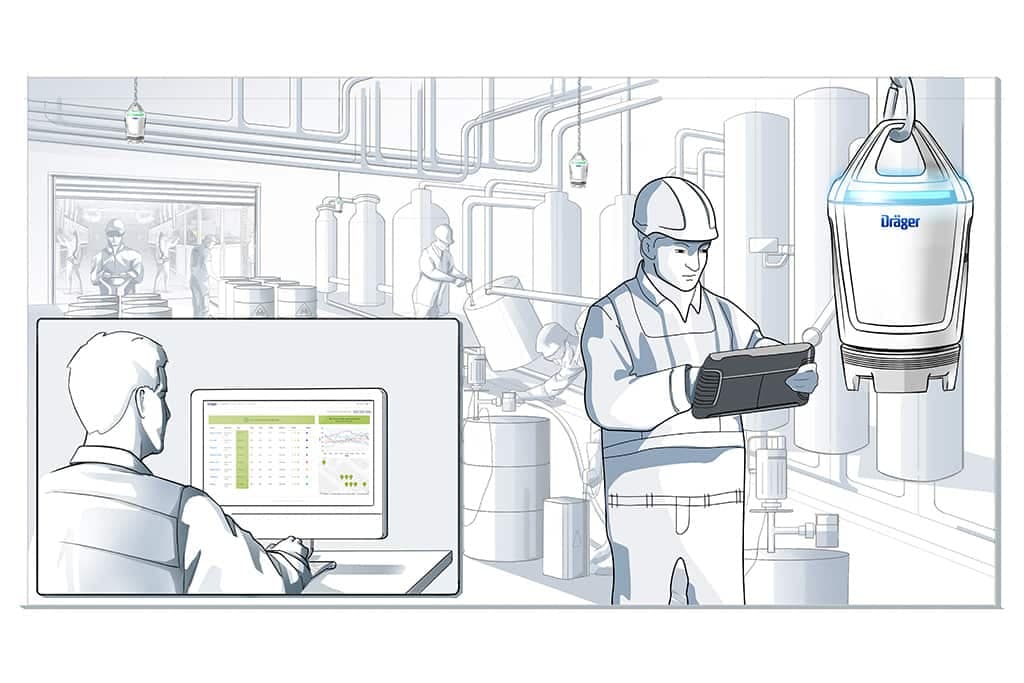
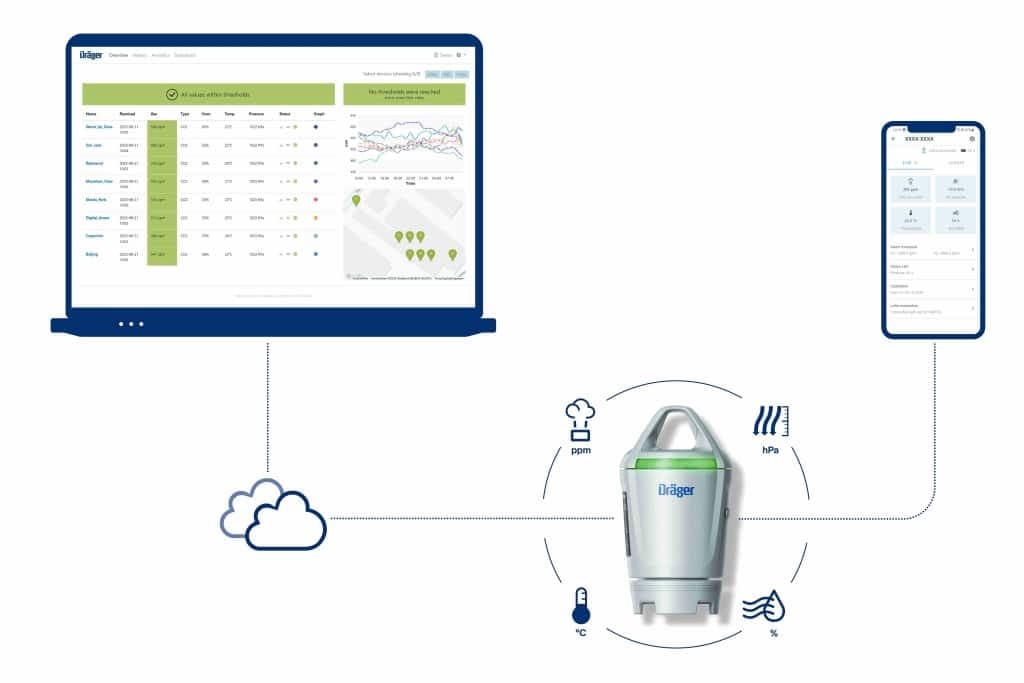
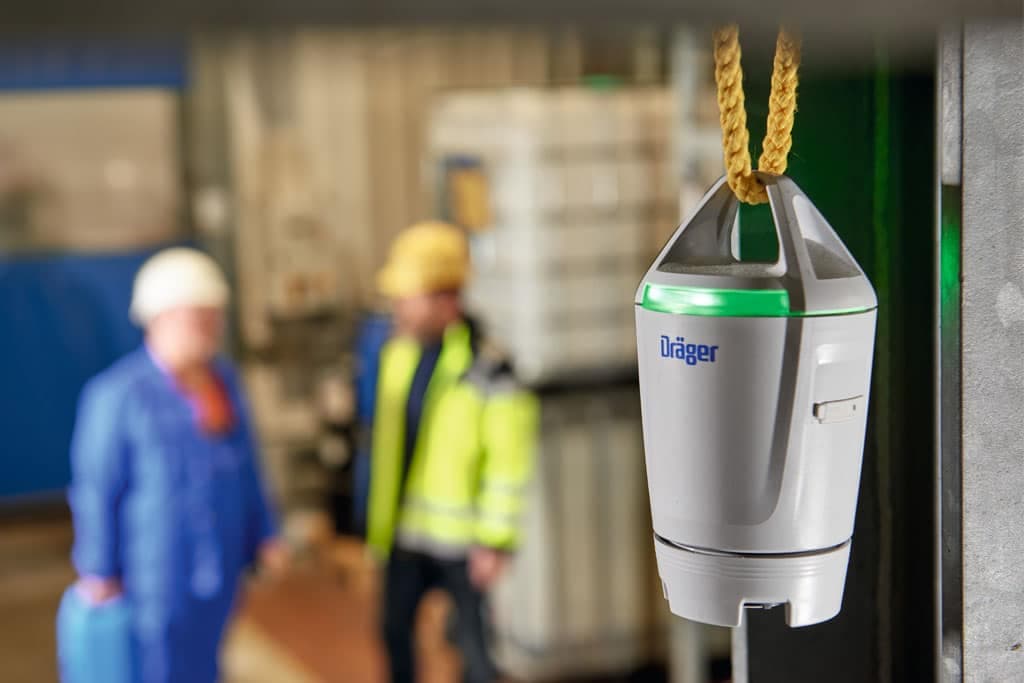
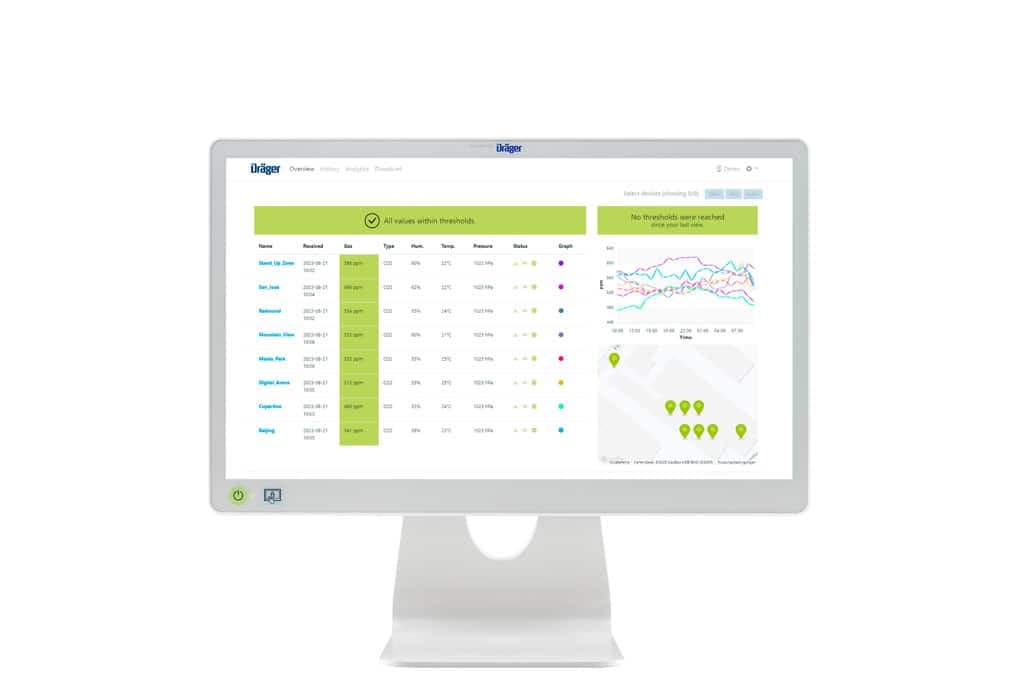
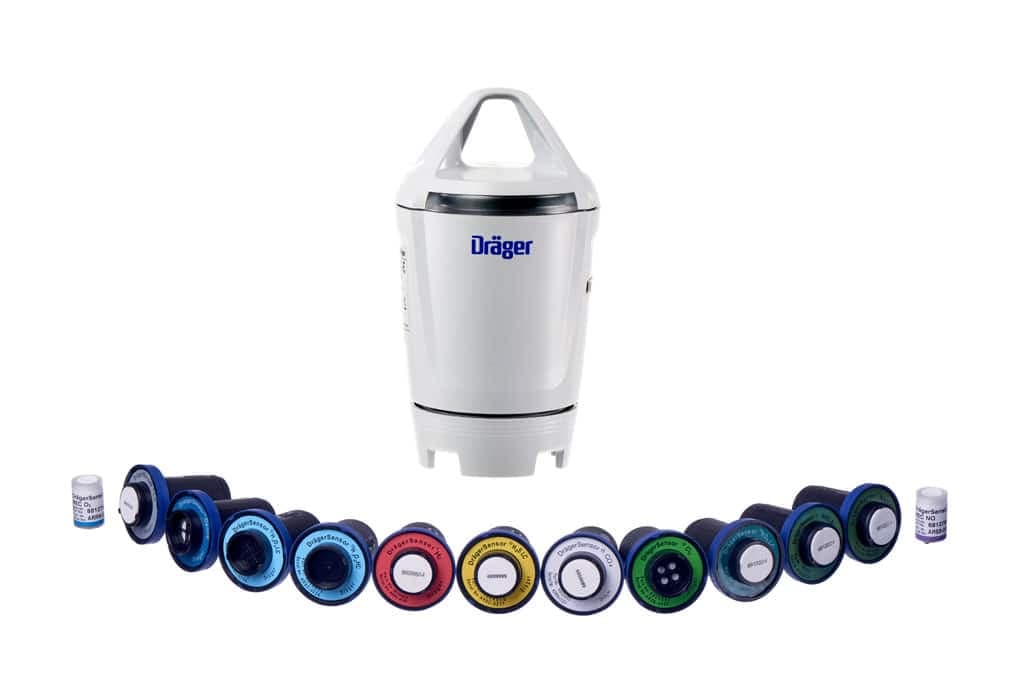
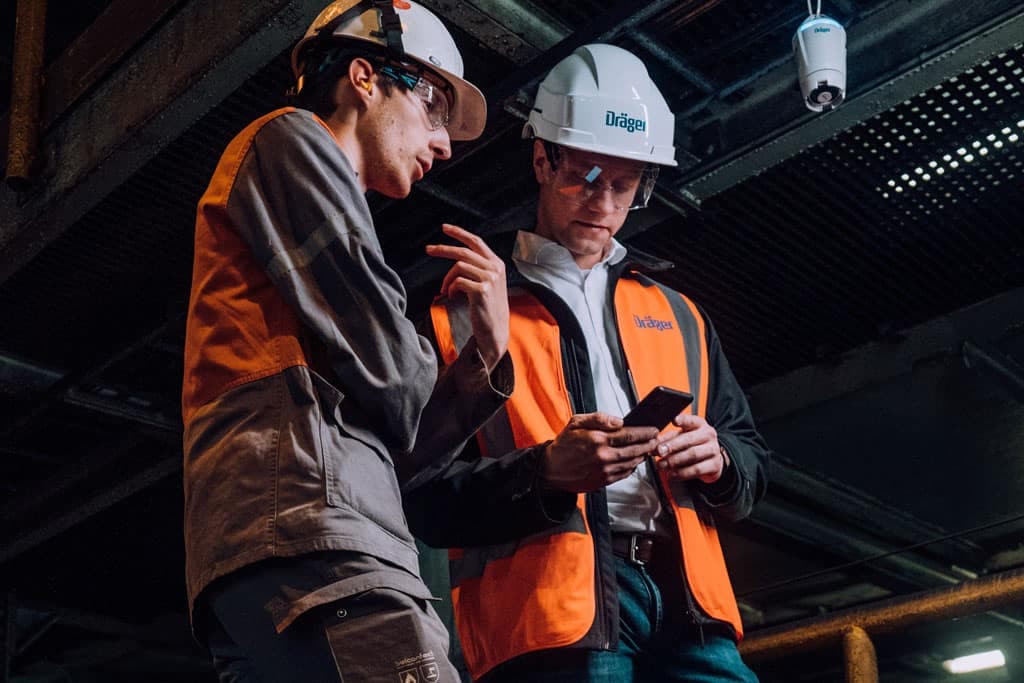
Dräger X-node is a wireless IoT solution for process monitoring and analysis. The system solution converts reliable measurement data - gas concentration, temperature, humidity and pressure - from the X-node device into valuable information that you can access, analyse, visualise, monitor and store online via the X-node Hub.

Summary
Product overview
Wireless IoT solution for process monitoring and analysisConverts reliable measurement data into valuable informationAccessible online for analysis, visualization, monitoring, and storage
Category
Fixed Gas Detection
This page is structured from official Draeger content and reorganized for local B2B navigation.
Product enquiry
Enquire about Dräger X-node
Send your project, quantity or specification request directly from the product page. The lead will be stored in the site CRM and can also be routed to email and Telegram notifications.
Specifications
Technical groups extracted from the official Draeger detail page.
Specifications 1
- Type
- Wireless IoT solution
- Measuring Principle
- Electrochemical
- Bus
- LoRa/Bluetooth
Specifications 2
- Power Supply
- Lithium-Polymer Battery
- Temperature (operation)
- -20°C - 50°C
- Humidity
- 5 to 95% r.h., non-condensing
- Pressure (hPa)
- 700 - 1300
- Dimensions (H × W × D)
- 17x9 cm
- Weight
- 300 g
- Housing Material
- Polycarbonat
- Degree of protection (IP class)
- IP65
Specifications 4
- Name
- More information
- Acetaldehyde
- More information
- Acetic Acid
- More information
- Acetic acid ethenyl ester
- More information
- Acetylene
- More information
- Ammonia (anhydrous)
- More information
- Antimony pentachloride
- More information
- Arsine
- More information
- Boron tribromide
- More information
- Boron trichloride
- More information
- Boron trifluoride
- More information
- Bromine (gaseous)
- More information
- Carbon dioxide
- More information
- Carbon monoxide
- More information
- Chlorine
- More information
- Chlorine dioxide
- More information
- Chlorosulphonic acid
- More information
- Diborane
- More information
- Dichlorosilane
- More information
- Diethylamine
- More information
- Dimethyl disulfide
- More information
- Dimethyl sulphide
- More information
- Dimethylamine (anhydrous)
- More information
- Epichlorohydrin
- More information
- Ethanol
- More information
- Ethyl ether
- More information
- Ethyl mercaptan
- More information
- Ethylamine
- More information
- Ethylene
- More information
- Ethylene oxide
- More information
- Fluorine
- More information
- Formaldehyde
- More information
- Formic acid
- More information
- Germanium tetrachloride
- More information
- Germanium tetrafluoride
- More information
- Germanium tetrahydride
- More information
- Hydrogen
- More information
- Hydrogen bromide (anhydrous)
- More information
- Hydrogen chloride (anhydrous)
- More information
- Hydrogen cyanide (anhydrous)
- More information
- Hydrogen fluoride (anhydrous)
- More information
- Hydrogen iodide solution (57%)
- More information
- Hydrogen peroxide
- More information
- Hydrogen sulphide
- More information
- Isopropylmercaptan
- More information
- Methanol
- More information
- Methyl mercaptan
- More information
- Methyl methacrylate
- More information
- Methylamine (anhydrous)
- More information
- Nitric acid, fuming
- More information
- Nitric oxide
- More information
- Nitrogen dioxide
- More information
- Oxygen
- More information
- Ozone
- More information
- Phosphine
- More information
- Phosphorus oxychloride
- More information
- Phosphorus trichloride
- More information
- Propyl mercaptan
- More information
- Propylene
- More information
- Propylene oxide
- More information
- Silane
- More information
- Silicon tetrachloride
- More information
- Silicon tetrafluoride
- More information
- Stannic chloride
- More information
- Styrene
- More information
- Sulphur dioxide
- More information
- Tetrahydrofuran
- More information
- Tetrahydrothiophene
- More information
- Thionyl chloride
- More information
- Titanium tetrachloride
- More information
- Trichlorosilane
- More information
- Triethylamine
- More information
- Trimethylamine (anhydrous)
- More information
- Vinyl chloride
- More information
- 1,3-Butadiene
- More information
- 2-Methyl-2-propanethiol
- More information
- 2-Propanol
- More information
Specifications 5
- Product
- Order number
- Dräger X-node
- 5601008
- DrägerSensor Acidic Compounds AC
- 6810595
- DrägerSensor Cl2
- 6809665
- DrägerSensor CO
- 6809605
- DrägerSensor CO LS
- 6809620
- DrägerSensor H2
- 6809685
- DrägerSensor H2O2 HC
- 6809675
- DrägerSensor H2O2 LC
- 6809705
- DrägerSensor H2S
- 6810435
- DrägerSensor H2S HC
- 6809710
- DrägerSensor H2S LC
- 6809610
- DrägerSensor HCl
- 6809640
- DrägerSensor HCN
- 6809650
- DrägerSensor HCN LC
- 6813200
- DrägerSensor Hydride SC
- 6809980
- DrägerSensor IR CO2
- 6800482
- DrägerSensor MEC NO
- 6812785
- DrägerSensor MEC O2
- 6812740
- DrägerSensor NH3 AL
- 6813735
- DrägerSensor NH3 FL
- 6813260
- DrägerSensor NH3 TL
- 6813095
- DrägerSensor NO
- 6809625
- DrägerSensor NO2 LC
- 6813205
- DrägerSensor O2 LS
- 6809630
- DrägerSensor OV 1
- 6810740
- DrägerSensor OV 2
- 6810745
- DrägerSensor Ozone
- 6814005
- DrägerSensor PH3/AsH3
- 6809695
- DrägerSensor SO2
- 6809660
Related products
Additional products from the same category.
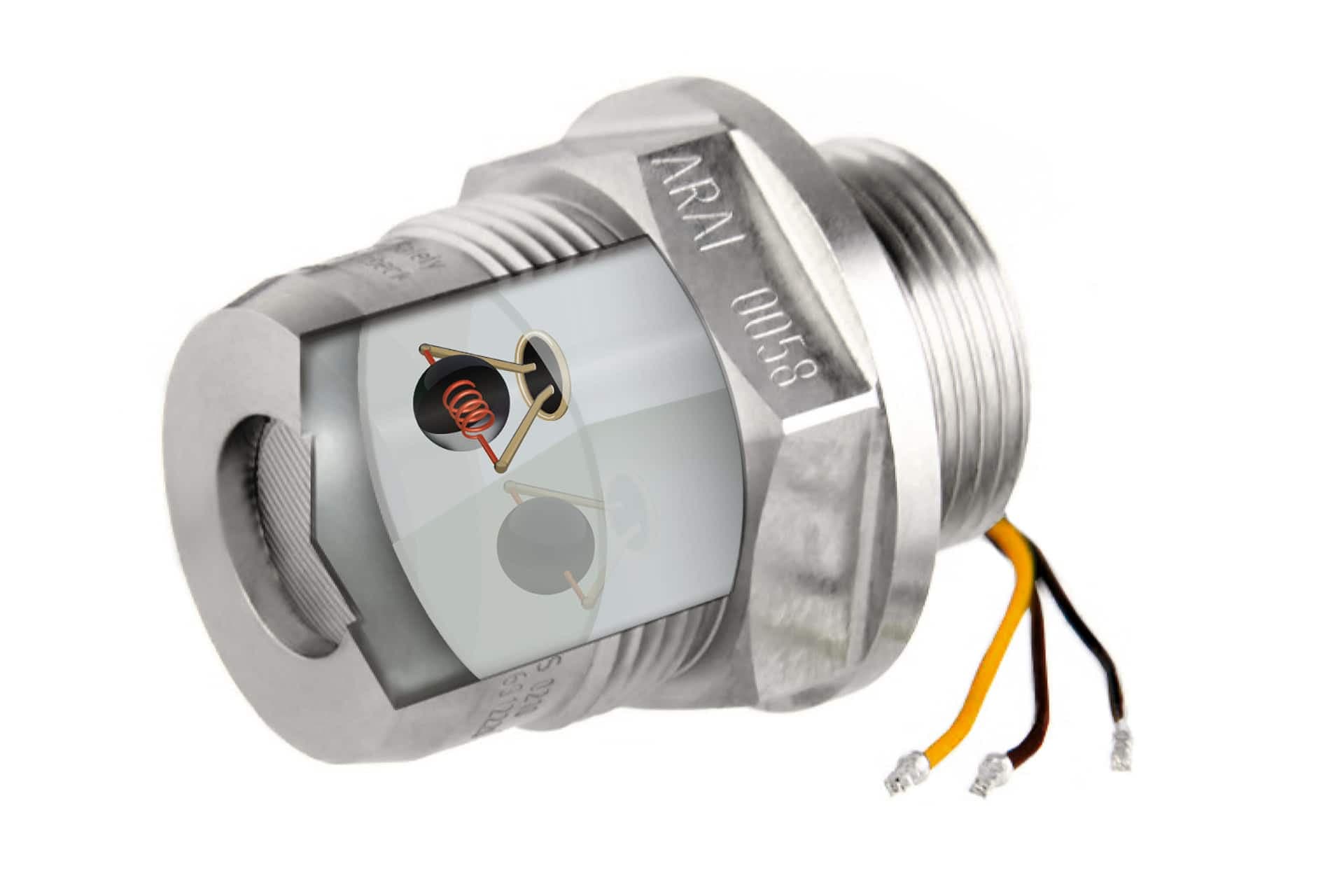
Catalytic Bead DrägerSensor®
Detects flammable gases and vapoursLong-term stability due to double-detector compensation method
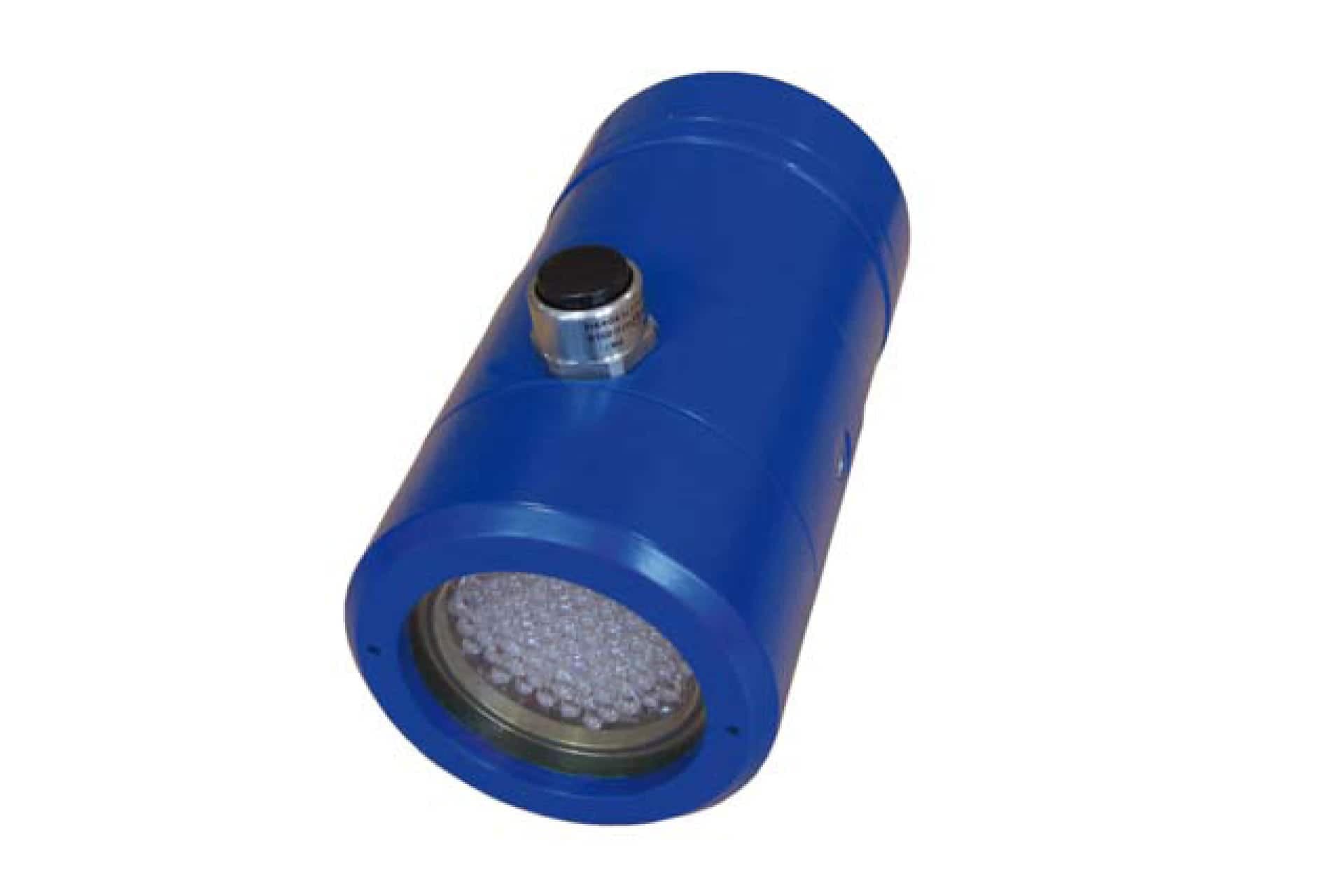
Dräger FS-5000
Simulates presence of fire for testing Flame 5000Designed for extreme offshore environmental conditions
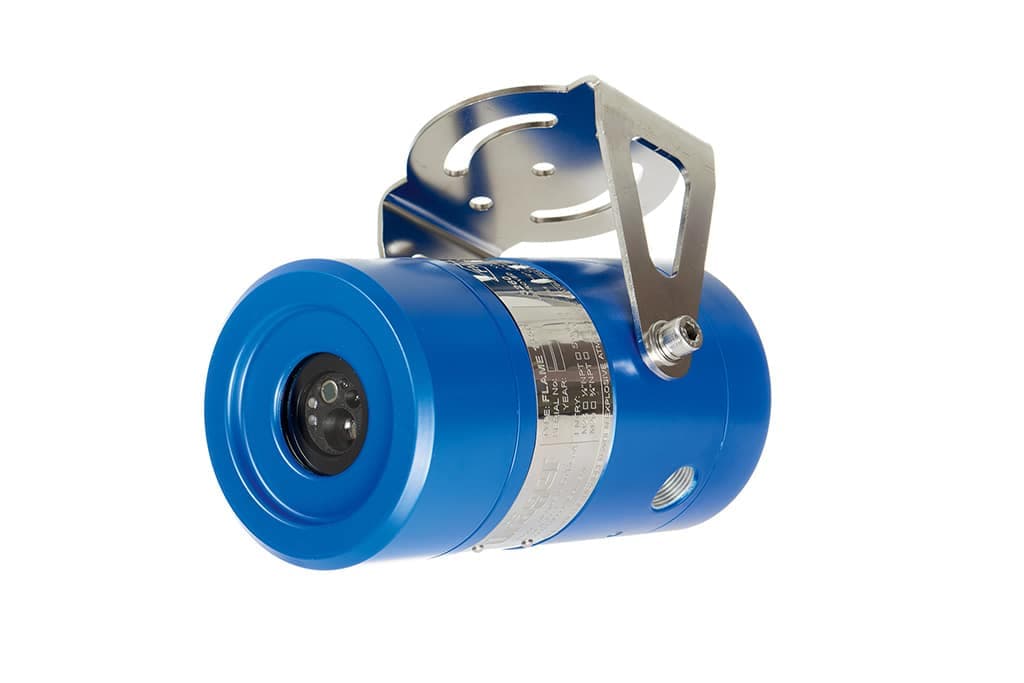
Dräger Flame 1350 (UV/IR)
Uses UV and IR sensors for reliable detection of hydrocarbon-based firesHigh performance and low false alarm rate
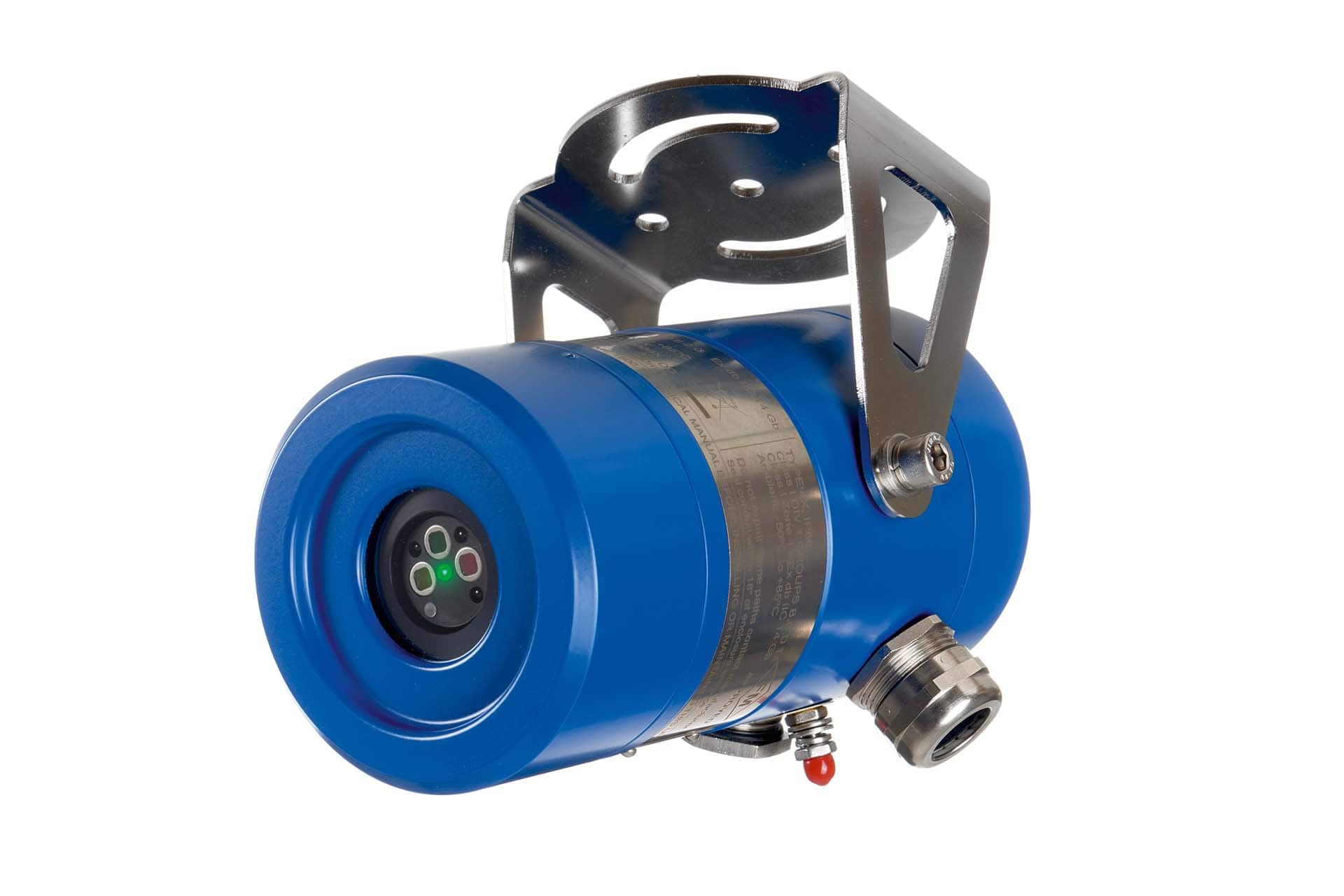
Dräger Flame 1500 (IR3)
Uses triple IR sensor for hydrocarbon fire detectionHigh reliability, low false alarm rate